how does insulin lower blood glucose Glucose insulin glucagon regulation glycogen muscle hormones postprandial fasting bloodstream cells uptake pancreatic
As health professionals, we are well aware of the significant impact that blood sugar levels have on weight loss. Maintaining stable blood sugar levels is crucial for weight management, and insulin plays a critical role in this process. Understanding the relationship between insulin and blood sugar is key to achieving weight loss goals. Insulin is a hormone produced by the pancreas that is responsible for regulating blood sugar levels. When we consume food, particularly carbohydrates, our body converts them into glucose, which enters the bloodstream. In response to this, the pancreas produces insulin, which signals the body’s cells to absorb glucose from the bloodstream to use as energy or store as glycogen or fat for later use. However, when we consume too many carbohydrates or sugars, our body produces an excessive amount of insulin, leading to a rapid drop in blood sugar levels. This drop in blood sugar triggers hunger and cravings, causing us to consume more food, particularly high-carbohydrate or sugary foods. This cycle of overeating and high insulin production leads to weight gain and can contribute to the development of insulin resistance, a condition where the body becomes less responsive to insulin, leading to further weight gain and an increased risk of type 2 diabetes. To break this cycle, it is essential to focus on eating a balanced diet that includes complex carbohydrates, such as whole grains and vegetables, which have a slower impact on blood sugar levels. We should also aim to eat smaller, more frequent meals to sustain our blood sugar levels throughout the day and avoid overeating. Incorporating physical activity into our daily routine can also improve insulin sensitivity and regulate blood sugar levels. However, it’s important to understand that insulin is not the enemy. It is a necessary hormone for our body’s functioning and helps us absorb essential nutrients from the food we eat. The key is to maintain a healthy balance and avoid consuming excessive amounts of carbohydrates and sugars. In summary, managing blood sugar levels is essential for achieving weight loss goals. Understanding the role of insulin in this process can help us make informed dietary and lifestyle choices that promote healthy blood sugar levels. By focusing on a balanced diet and regular physical activity, we can break the cycle of overeating, high insulin production, and weight gain and achieve our weight loss goals while promoting overall health and well-being.
If you are looking for How Insulin Works: PLUS The Different Types of Insulin Explained you’ve visit to the right place. We have 5 Pictures about How Insulin Works: PLUS The Different Types of Insulin Explained like Insulin and glucose release regulation educational scheme outline, Medical and Health Science: Glucose & Insulin Cycle!! and also Medical and Health Science: Glucose & Insulin Cycle!!. Read more:
How Insulin Works: PLUS The Different Types Of Insulin Explained
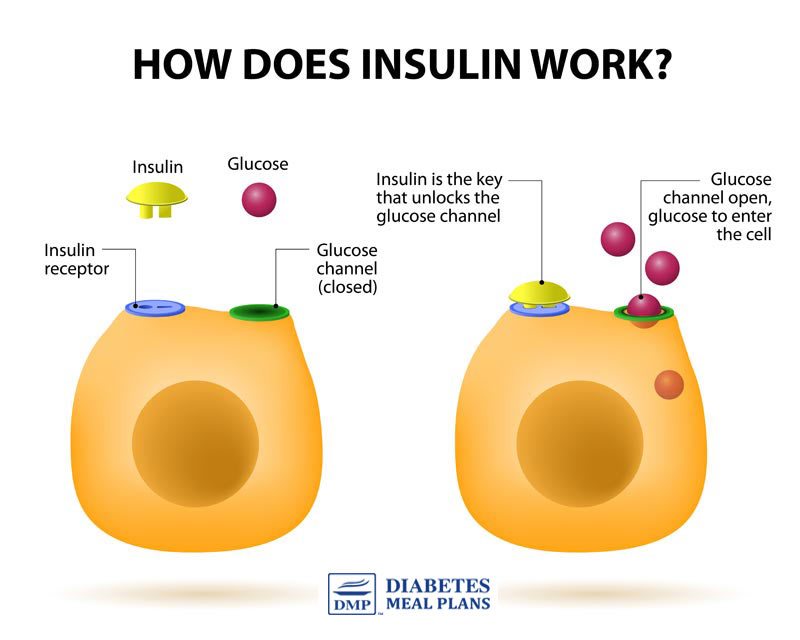 diabetesmealplans.cominsulin works body types different explained hormone glucose human type produced
The Influence Of Blood Sugar On Weight Loss
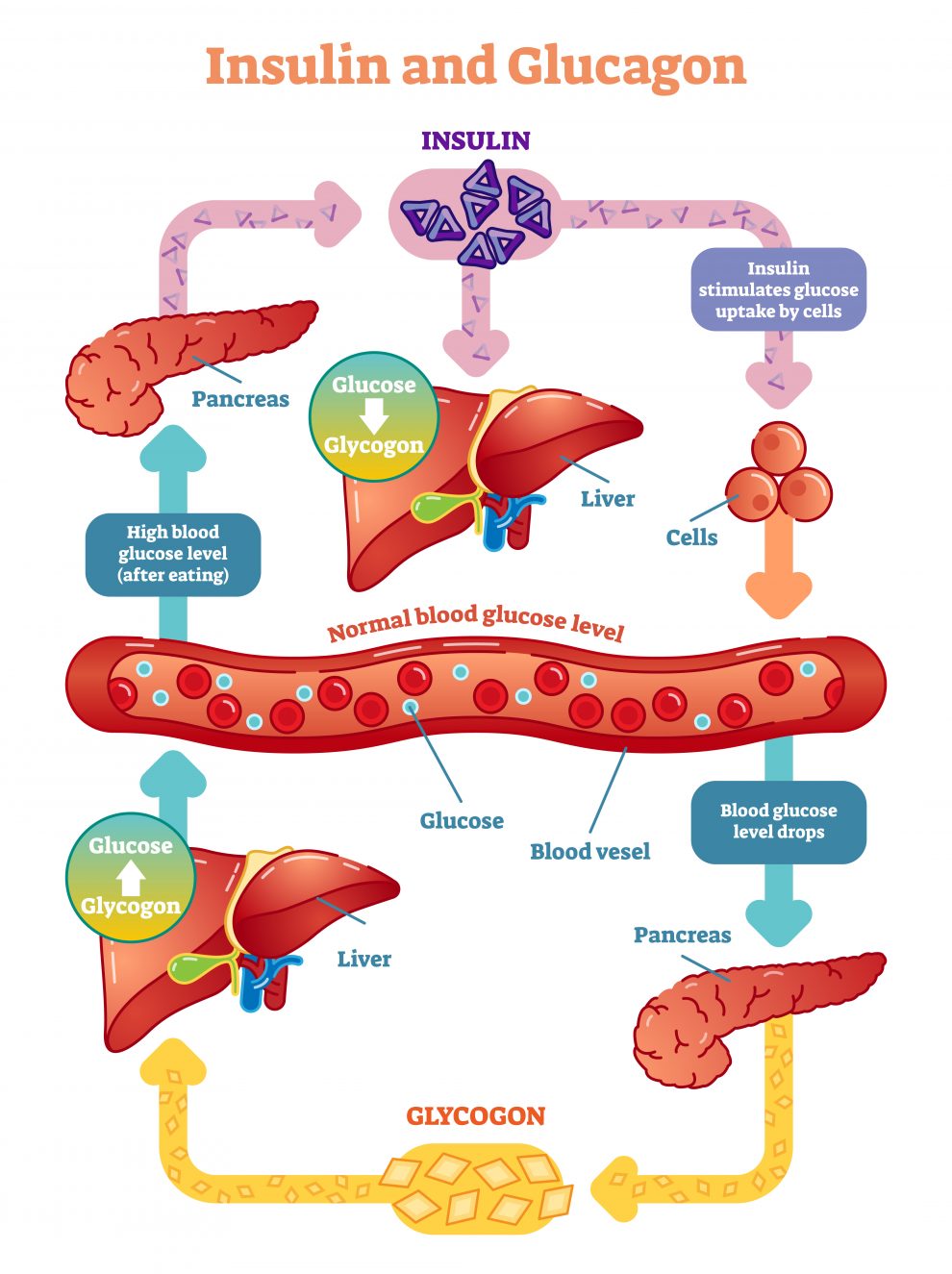 www.mz-store.cominsulin glucagon
Medical And Health Science: Glucose & Insulin Cycle!!
 mhs-resetsg.blogspot.comglucose insulin
Insulin And Glucose Release Regulation Educational Scheme Outline
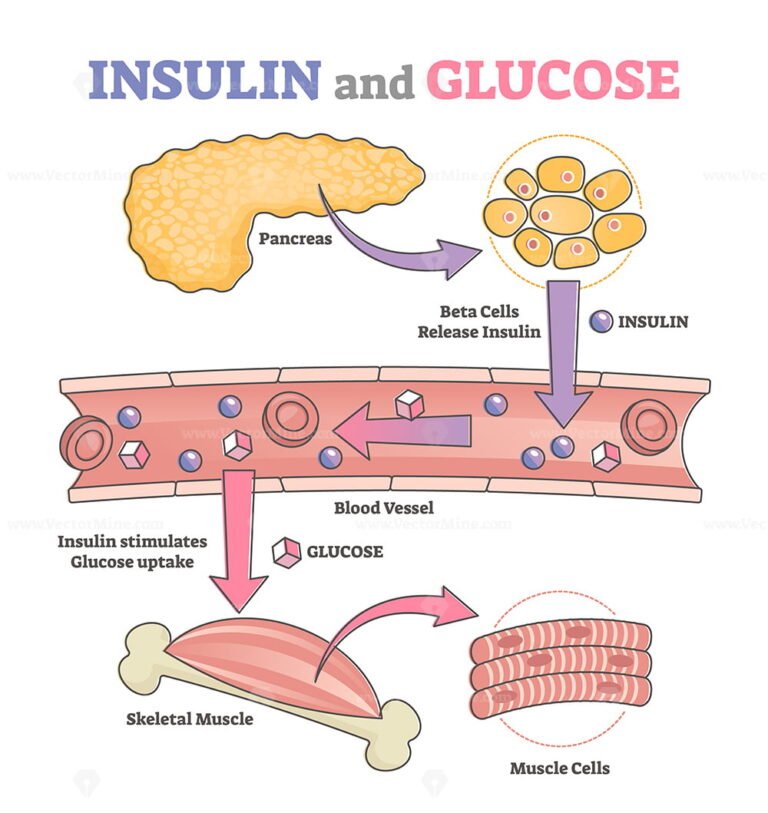 vectormine.cominsulin glucose insulina regulation rilascio glycogen glucosio uptake pädagogisches entwurfs entwurfskonzept concetto educativo regolamento vectormine cellula mischen bewegliche anatomical
2: Regulation Of Blood Glucose Levels By Insulin And Glucagon. When
 www.researchgate.netglucose insulin glucagon regulation glycogen muscle hormones postprandial fasting bloodstream cells uptake pancreatic
Glucose insulin. Medical and health science: glucose & insulin cycle!!. Insulin glucagon